Best Time to Visit Utah National Parks: Month by Month Guide
The best time to visit Utah national parks is usually late April through May, and again from mid September through October. Those windows give you the best mix of mild hiking weather, long enough days, and fewer weather extremes across all five parks.
There is one catch. The Mighty 5 do not share one climate. Zion sits lower and warms up early. Bryce Canyon sits between 8,000 and 9,000 feet, so it can feel like winter when Zion feels like spring. Arches and Canyonlands near Moab can pass 100 degrees in summer. Capitol Reef sits between those extremes, cooler than Moab and warmer than Bryce most of the year.
Use this guide to pick the month that fits your trip, not just the month that looks best in a photo.
The Short Answer by Season
If you only have one week and you want the easiest trip, choose May or late September. If you want the quietest trip and you can handle cold mornings, choose late February or early November.
Month by Month, What the Mighty 5 Feel Like
Those are typical patterns, not promises. Desert weather changes fast, so always check the forecast for each park in the week before you travel and again the night before a big hike.
Winter, November to February
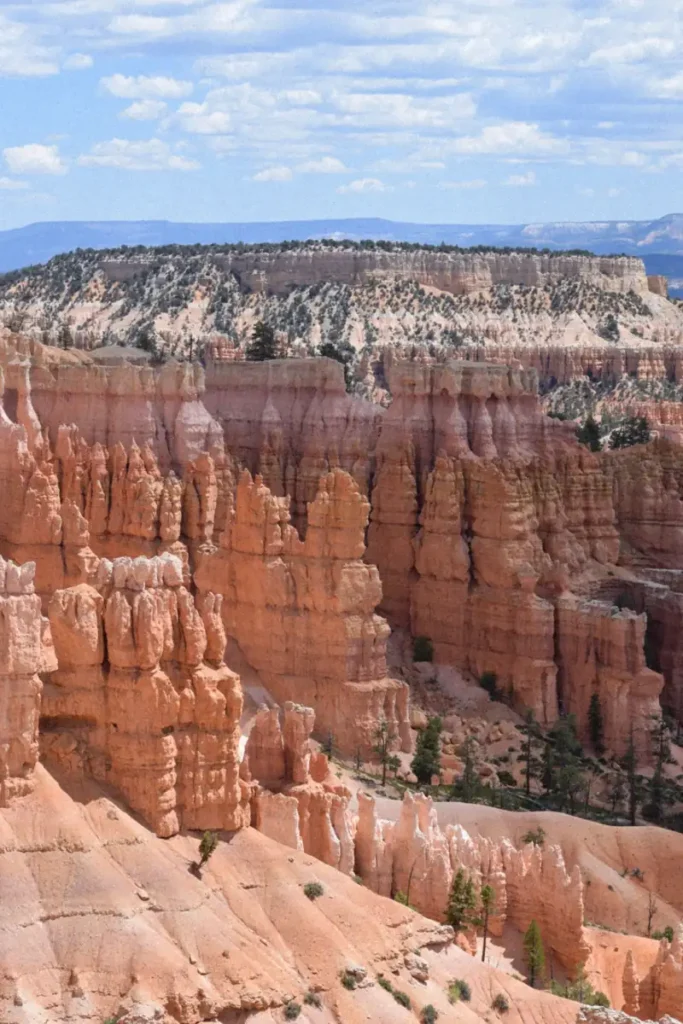
Winter is the quiet season. Parking is easier, trails are calm, and a dusting of snow on red rock is one of the prettiest sights in Utah. Bryce Canyon is the star in winter and also the coldest stop by far. Average January highs there sit in the 30s, with lows in the teens. Snow covered hoodoos look unreal, but rim trails can be icy and the wind has real bite.
Zion is more forgiving. Daytime highs often reach the low 50s, which is fine for lower canyon hikes with a warm layer. The risk is ice in shaded spots and on trails that climb. Near Moab, Arches and Canyonlands are cold but usually dry, with highs in the 40s and quiet viewpoints.
Pick winter if you value space over warmth. Pack microspikes if you plan to hike at Bryce or on shaded Zion trails, and plan around short days. Sunset comes early, so move your big hike to late morning when ice has softened.
Spring, March to May
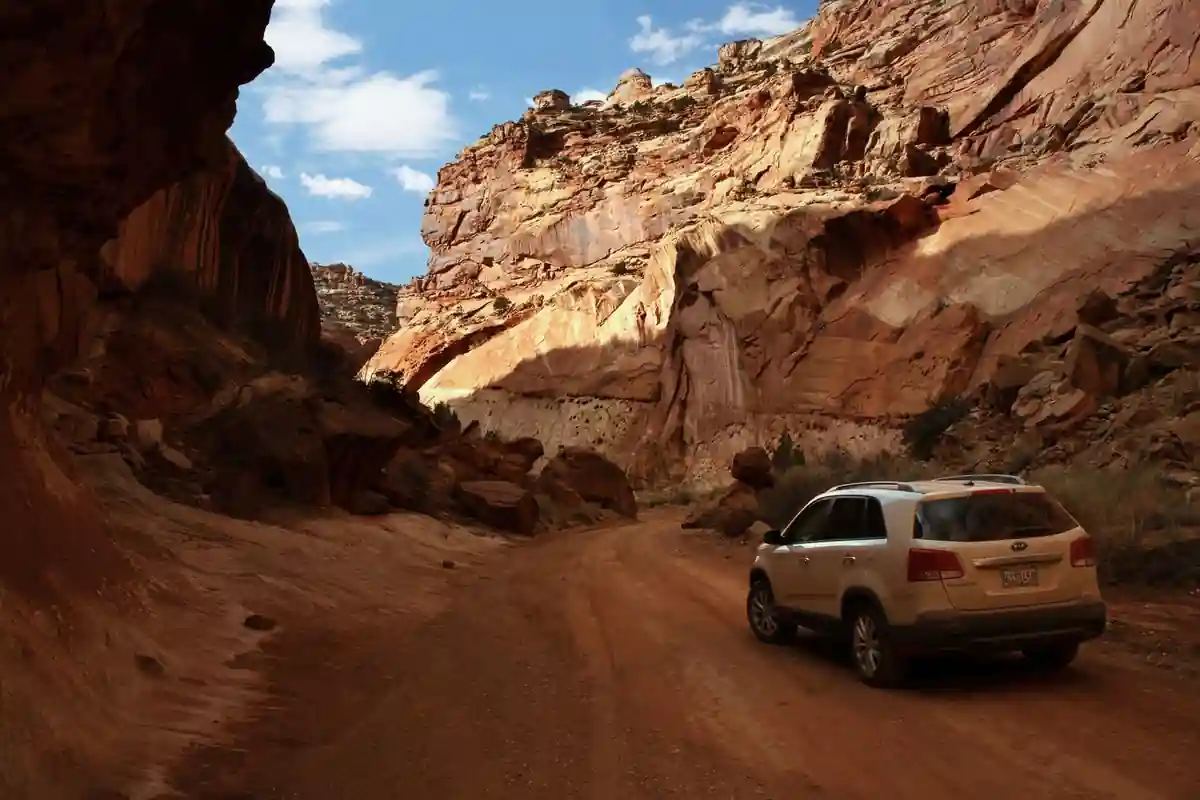
Spring is when the whole route wakes up. Capitol Reef averages help explain why April and May feel so good. Highs move from the 60s in April to the 70s in May, with cool nights. The Fruita orchards bloom in spring, the Fremont River runs green, and the light is soft.
Zion in spring brings waterfalls after snowmelt and a bright green valley floor. The trade off is the Virgin River. The Narrows can close or become unsafe when flow is high, and that happens most often in spring. If walking the river is your main goal, late summer or early fall usually gives lower water.
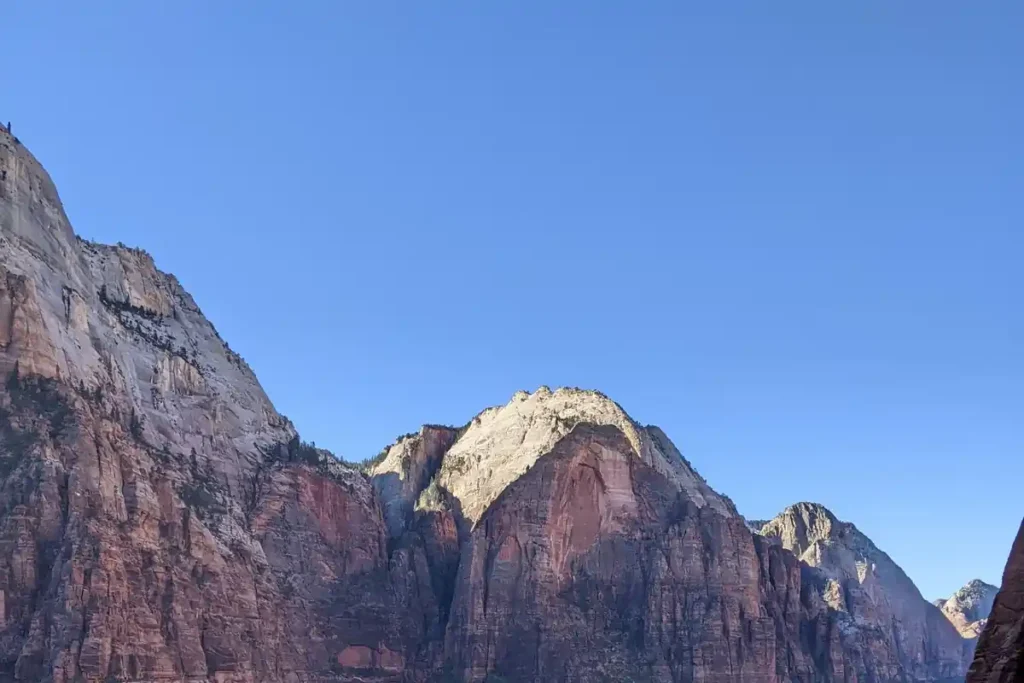
March brings spring break crowds, so April after the holiday weeks and May before Memorial Day are the sweet spots. Bryce still runs cold at night in spring. Snow can fall there in April, and May nights sit in the 30s. Bring a proper jacket even when Zion feels warm the same day.
Summer, June to August
Summer needs respect. The National Park Service notes that in Arches, summer temperatures often exceed 100 degrees, and its long term averages show July at about 100 for the high and 67 for the low. Capitol Reef is a little kinder, with July averaging near 91, and Bryce is kindest of all, with July highs near 80. That gap is why route order and start times matter so much in summer.
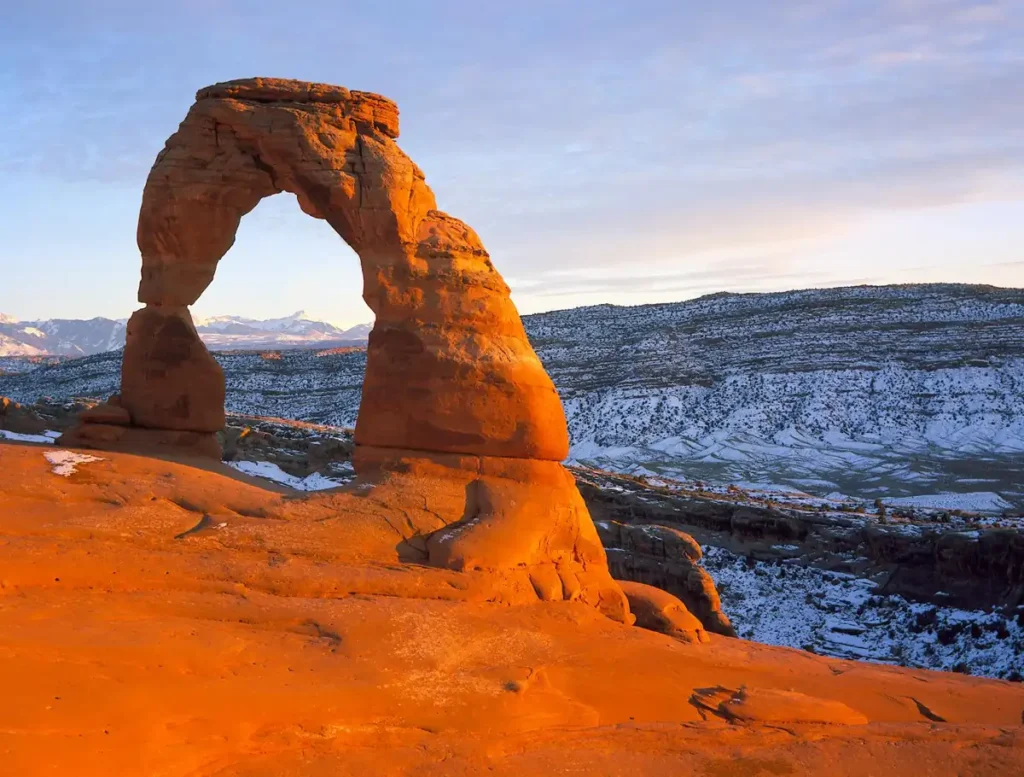
July and August also bring the monsoon pattern. Storm cells can build after lunch, and rain far away can send flash floods through narrow canyons. Never enter a slot canyon or a narrow wash when storms are forecast anywhere nearby. In Zion, check the flash flood potential at the visitor centre before any canyon hike. When thunder is close, leave high and exposed places and wait it out in a safe spot.
If summer is your only option, build the trip around dawn. Hike from sunrise to about 10 in the morning, spend the middle of the day on scenic drives, visitor centres and lunch in town, then head out again near sunset. Carry more water than you think you need. A simple rule that works is at least 2 to 3 litres per person for a morning hike, and more for exposed routes.
Fall, September to October
Fall is the favourite season for many repeat visitors, and the numbers show why. In Arches, September averages cool from about 88 down through the month, and October sits near 74 for the high and 42 for the low. Capitol Reef lands near 80 in September and 66 in October. Zion cools into the 70s and 80s, and the cottonwoods along the Virgin River turn gold, usually from mid October into early November depending on the year.
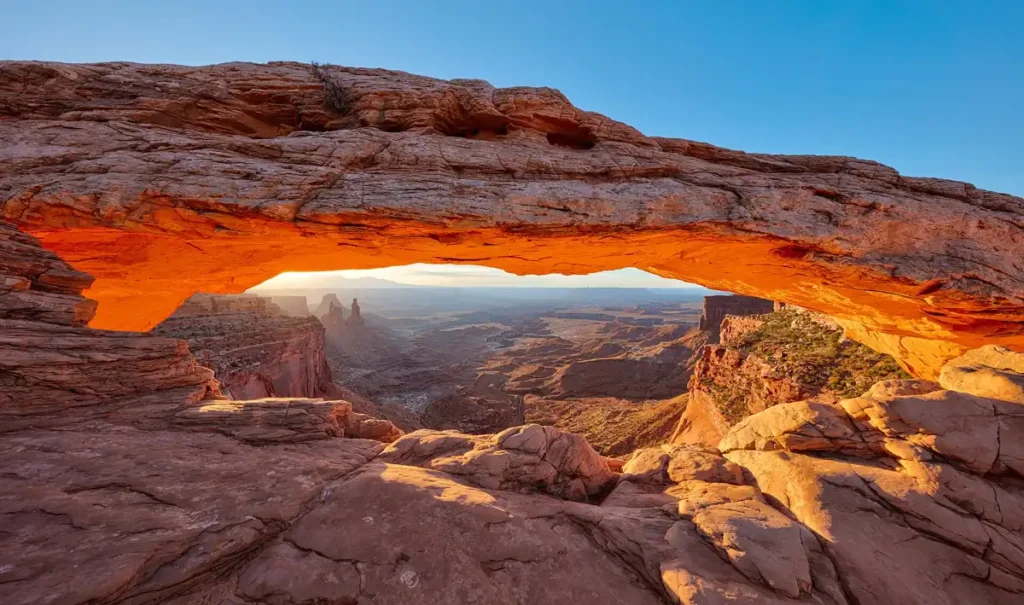
Early September can still feel like summer near Moab, so mid September onward is the safer pick. Bryce turns crisp and clear, with some of the best air of the year. Nights drop below freezing there by October, so sunrise viewpoints need gloves and a hat.
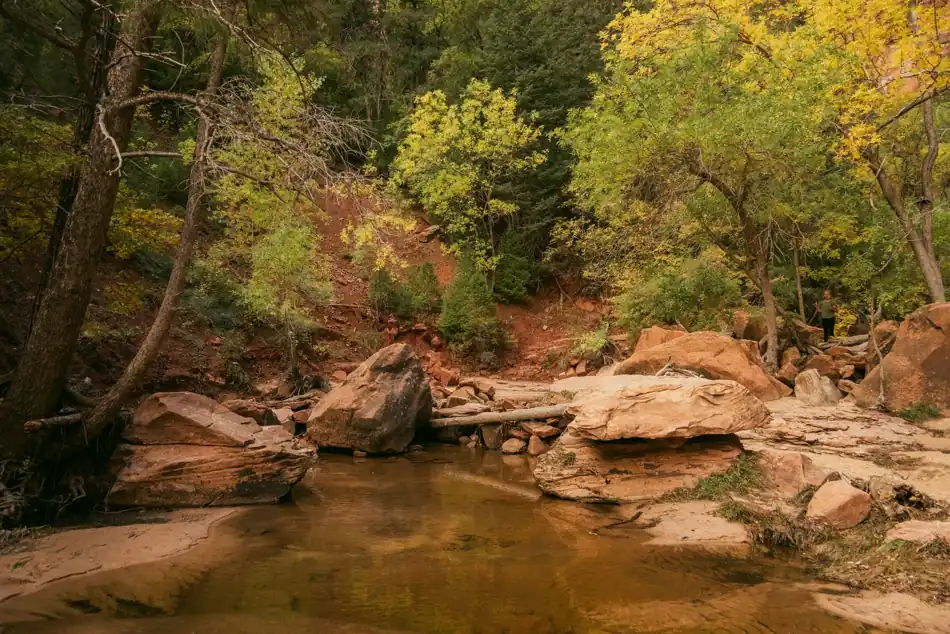
Pick fall if photography matters to you. The light is lower, the crowds thin after early October, and you can hike all day without the summer plan of hiding at noon.
The Best Month for Your Kind of Trip
One Rule That Beats the Calendar
Elevation matters more than the month on the calendar. On the same day in May, you can wear a T shirt at lunch in Moab and a winter jacket at sunrise in Bryce. Plan your layers by park, not by trip. Pack one warm jacket all year, sun protection all year, and shoes that can handle wet or icy patches outside summer.
Weather also decides permits and safety. Angels Landing needs a permit in every season, and canyon hikes depend on flood risk, not the date. Before you travel, check the official park pages for alerts, and read our Trip Planning guides for packing and permit help.
Quick Questions People Ask
What is the single best month for all five parks?
May and late September are the safest answers. Both give mild weather from Zion to Moab, and Bryce is comfortable in the daytime in both.
Is summer a bad time to visit?
Not bad, but it is a dawn and dusk trip. If you try to hike at midday near Moab in July, heat can turn a normal hike into a medical problem. Start at sunrise and carry serious water.
When is Zion least crowded?
January and February weekdays are the quietest. The canyon is cold but calm, and the shuttle system and trailheads feel completely different from May.
Can I see snow and still hike?
Yes, mostly at Bryce and on shaded Zion trails. Snow usually sits on the rim and north facing slopes. Lower sunny trails often stay walkable, but ice is common in the morning.
When should I avoid the trip?
Avoid planning exposed midday hikes in July and August near Moab, and avoid narrow canyons whenever monsoon storms are forecast. The calendar matters less than the forecast in those weeks.
Photo Credits and Sources
Weather patterns and averages in this guide are based on official National Park Service weather pages for Bryce Canyon, Arches and Capitol Reef, checked before publishing. Always confirm current conditions on the park pages before you travel. Photos are listed in the media library with their source and credit for each image.