How Much Does a Utah Mighty 5 Trip Cost in 2026? Real Budget Breakdown
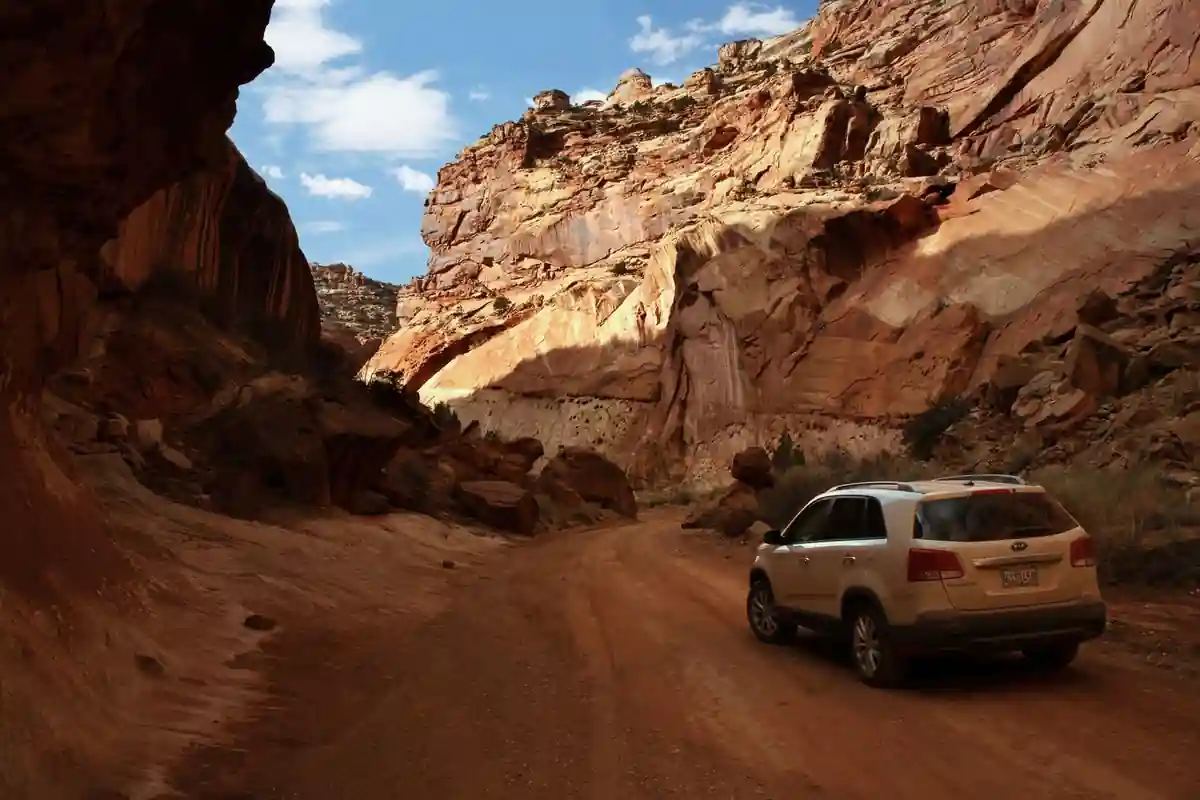
Planning a Utah Mighty 5 trip cost budget is easier once you separate the fixed costs from the choices. The park pass is predictable. Lodging, food and the rental car are where two people can spend either a careful amount or a small fortune on the same route.
For the sample budgets below, picture two adults sharing one car and one room for the 7 day route in our Utah Mighty 5 road trip itinerary. The trip starts and ends in Las Vegas, uses 7 nights of lodging, and does not include flights. Change the start city and the mileage changes, but the way the budget is built stays the same.
The Short Answer
For two people in 2026, a realistic ground budget for 7 days is roughly:
| Trip style | Total for two | Per person | How it feels |
|---|---|---|---|
| Camp and cook | $1,140 to $2,080 | $570 to $1,040 | Campsites, groceries, early starts, simple gear |
| Budget hotels | $1,940 to $3,340 | $970 to $1,670 | Clean motels and inns, mixed cooking and cafes |
| Comfort trip | $3,100 to $5,450 | $1,550 to $2,725 | Nicer rooms, more restaurant meals, less friction |
These are planning ranges, not quotes. Hotel prices move hard by month, weekend and how early you book. If you are travelling in the best weather windows, read our best time to visit Utah national parks guide before you assume the low end will be available.
What We Counted, and What We Did Not
The totals include the park pass, lodging or campsites, a rental car, fuel for about 1,100 to 1,200 miles, food for two, and a small allowance for permits, gear and the costs nobody remembers until the trip. They do not include flights, because a flight from Dallas and a flight from New York do not belong in the same honest sample.
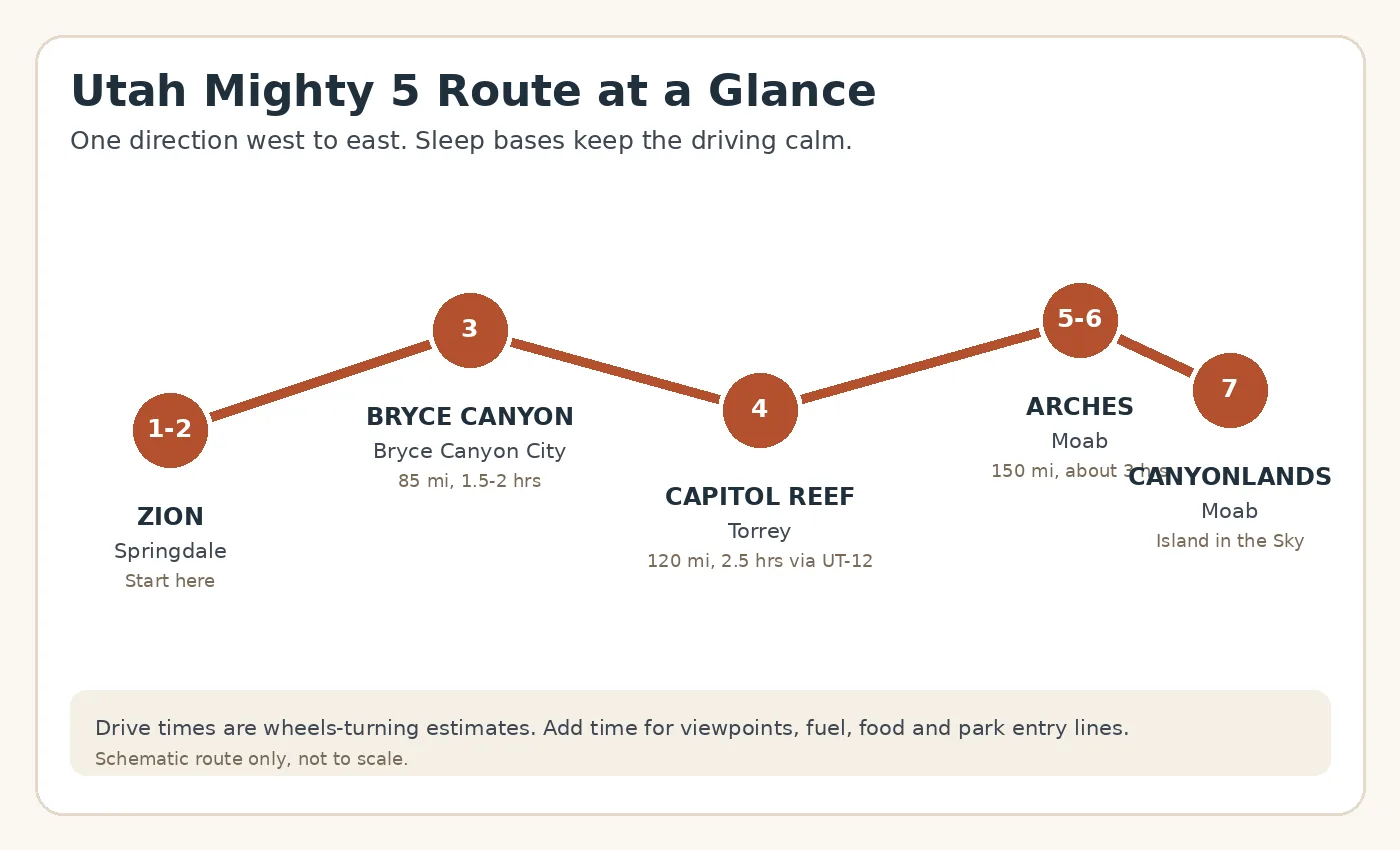
The route itself is simple: Las Vegas to Zion, then Bryce Canyon, Capitol Reef, Arches and Canyonlands, then back from Moab to Las Vegas. The parks are the calm part of the budget. The expensive part is sleeping near them.
Park Entry: The Easiest Cost to Predict
If you buy a separate private vehicle pass at every park, the standard prices checked against the National Park Service are Zion $35, Bryce Canyon $35, Capitol Reef $20, Arches $30 and Canyonlands $30. That is $150 for one vehicle.
| Pass choice | Cost | When it makes sense |
|---|---|---|
| Separate pass at each park | $150 | You are visiting only one or two of these parks |
| America the Beautiful annual pass, US resident | $80 | The full Mighty 5 route, or more federal sites within 12 months |
| America the Beautiful annual pass, nonresident | $250 | Nonresidents who will use it beyond this one route |
For most US resident drivers doing all five parks, the $80 annual pass is the clean choice. It covers one private vehicle at these parks and lasts 12 months from purchase. Nonresidents should check the current rules on the National Park Service passes page before travel, because Zion and Bryce Canyon are included in the 2026 nonresident fee system.
Lodging: Where the Budget Is Won or Lost
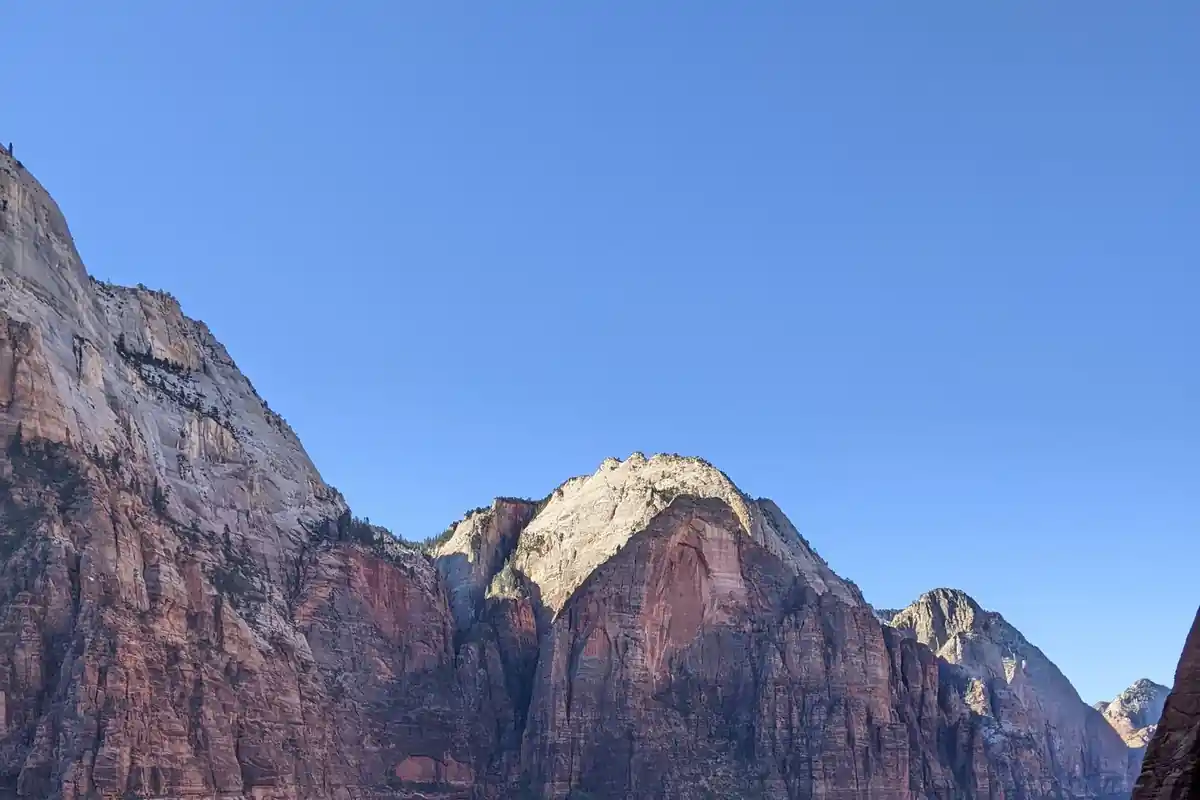
The route sleeps in four bases: Springdale for Zion, Bryce Canyon City for Bryce, Torrey for Capitol Reef, and Moab for Arches and Canyonlands. That is 2 nights, 1 night, 1 night and 3 nights. Staying close saves morning driving. It also means you pay park town prices.
| Sleep base | Nights | Budget rooms | Comfort rooms | Why it costs what it costs |
|---|---|---|---|---|
| Springdale, for Zion | 2 | $130 to $220 per night | $220 to $380 per night | Right by the park entrance, limited supply in peak months |
| Bryce Canyon City | 1 | $110 to $190 per night | $170 to $300 per night | Small town, sunrise access, fewer choices |
| Torrey, for Capitol Reef | 1 | $100 to $170 per night | $150 to $260 per night | Quiet and small, so good rooms can fill early |
| Moab, for Arches and Canyonlands | 3 | $110 to $200 per night | $180 to $330 per night | One base for two parks, strong demand in spring and fall |
Across 7 nights, budget rooms often land around $800 to $1,400 for two people sharing. More comfortable rooms can land around $1,300 to $2,400 before taxes and fees. You can beat the range in winter or pay above it on a spring weekend. The useful lesson is not the exact number. It is that one expensive base, repeated for three nights in Moab, matters more than the park pass.
Camping Changes the Whole Shape of the Trip
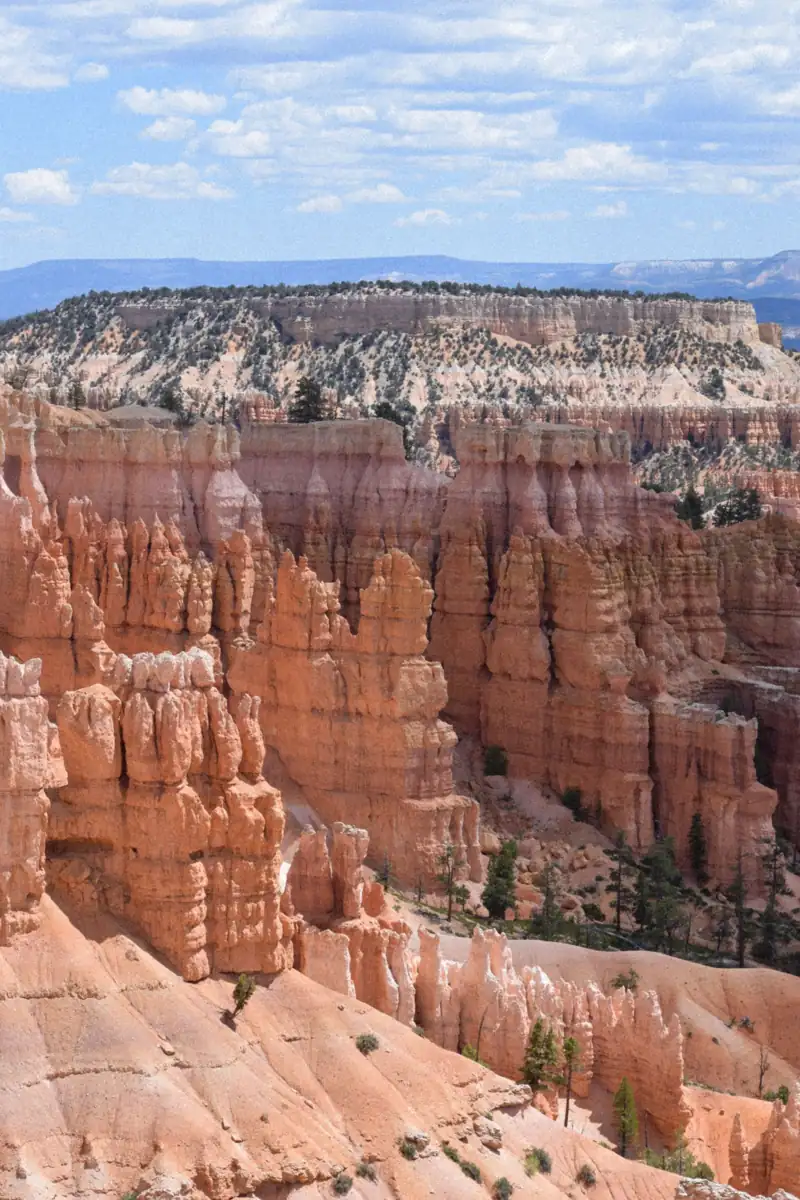
Camping is the biggest honest saving on this route. A planning range of $20 to $50 per night for public or private standard sites puts 7 nights around $140 to $350, before food and gear. Campgrounds inside the parks can be hard to secure in busy months, and some are reservable while others fill early. Treat campsite booking like a park day, not an afterthought.
Camping is not free once you count the car full of gear, ice, showers here and there, and one tired restaurant meal after a windy night. Still, if you already own basic gear, camping can cut the lodging bill by more than half. If you have to buy a tent, sleeping bags and cooking kit only for this trip, do the maths before calling it the cheap option.
Rental Car and Fuel: Count Miles, Not Vibes
A Las Vegas loop for this route is roughly 1,100 to 1,200 miles once you add the drive to Springdale, the park to park legs, in park driving and the return from Moab. A normal rental car at about 25 miles per gallon will use around 44 to 48 gallons.
| Car cost | Planning range | Notes |
|---|---|---|
| Standard rental car, 7 days | $280 to $560 | Before some taxes, airport fees and extras |
| SUV or higher clearance comfort choice | $420 to $840 | Useful for luggage and rough weather, not required for the main paved route |
| Fuel for 1,100 to 1,200 miles | $170 to $240 | Based on about 25 mpg and a broad planning fuel price, not a live pump quote |
You do not need a special off road vehicle for the standard Mighty 5 route in normal conditions. The famous trailheads in this guide sit off paved roads and normal park roads. Spend the SUV money only if it buys real comfort for your group, winter confidence, or luggage space you actually need.
Starting in Salt Lake City changes the shape but not the warning. The total loop is still long, and the return from Moab is still a serious drive. Pick the airport by flight price and arrival time, then build the car budget from real miles.
Food: The Quiet Daily Cost
Food looks small beside a hotel bill until you multiply it by seven. For two people, these daily planning ranges are more useful than one fake average:
| Food style | Per day for two | 7 days for two | What it looks like |
|---|---|---|---|
| Cook most meals | $60 to $100 | $420 to $700 | Groceries, breakfasts, picnic lunches, simple dinners |
| Mixed plan | $80 to $130 | $560 to $910 | Groceries plus one cafe or casual meal most days |
| Restaurant heavy | $140 to $220 | $980 to $1,540 | Sit down meals, coffee stops, no kitchen maths |
Small park towns are not the place to improvise every meal. Stock up in bigger towns when you can, keep breakfast simple, and carry lunch food for park days. A picnic near a viewpoint is not a sad budget move. On this route, it is often the best table in Utah.
Permits, Gear and the Small Costs
Most classic hikes in these parks are included once you have entered the park. The extra costs are specific. Angels Landing needs a permit for the chained section beyond Scout Lookout. The Narrows can mean rented river shoes and a walking stick if you do not own the right gear. Cold mornings can mean one layer you did not pack. None of this should surprise your budget.
For two people, allow about $50 to $150 on a simple trip, and more if you rent Narrows gear for both hikers or join a paid activity. Keep paid tours as a choice, not a requirement. This route was built around public trailheads, scenic drives and viewpoints that do not need a guide for a normal first visit.
Three Sample Budgets for Two People
| Cost line | Camp and cook | Budget hotels | Comfort trip |
|---|---|---|---|
| Park pass | $80 | $80 | $80 |
| Sleeping | $140 to $350 | $800 to $1,400 | $1,300 to $2,400 |
| Rental car | $280 to $560 | $280 to $560 | $420 to $840 |
| Fuel | $170 to $240 | $170 to $240 | $170 to $240 |
| Food for two | $420 to $700 | $560 to $910 | $980 to $1,540 |
| Permits, gear and small extras | $50 to $150 | $50 to $150 | $150 to $350 |
| Total for two, flights excluded | $1,140 to $2,080 | $1,940 to $3,340 | $3,100 to $5,450 |
Solo travellers feel the car and room costs more, because there is nobody to split them with. Families feel food and room size more. The table still helps, because it shows which line will move first when your group changes.
Where Money Disappears Without Anyone Noticing
The first leak is booking park town rooms late. The second is choosing a farther cheap room and then paying with sunrise time, fuel and mood. A room an hour from the trailhead is not automatically a saving on a trip built around early light.
The third leak is food drift. Coffee here, snacks there, one tired dinner because nobody bought lunch food. None of it feels large. Across seven days, it becomes a hotel night.
The last leak is renting more car than the route needs. Ground clearance feels comforting in an advert. On the paved park route, luggage space and a calm driver matter more.
How to Cut the Cost Without Cutting the Trip
Buy the annual pass if you are doing all five parks as a US resident. Book refundable rooms early, then keep checking only if you enjoy that game. Camp for some nights instead of all seven if full camping sounds like work. The Torrey and Moab legs are good places to test one or two campsite nights.
Travel in the shoulder windows if your dates can move, and use our month by month guide to avoid paying comfort prices for brutal heat. Cook breakfast, picnic at lunch, and save restaurant money for the evenings when you are actually hungry enough to enjoy it.
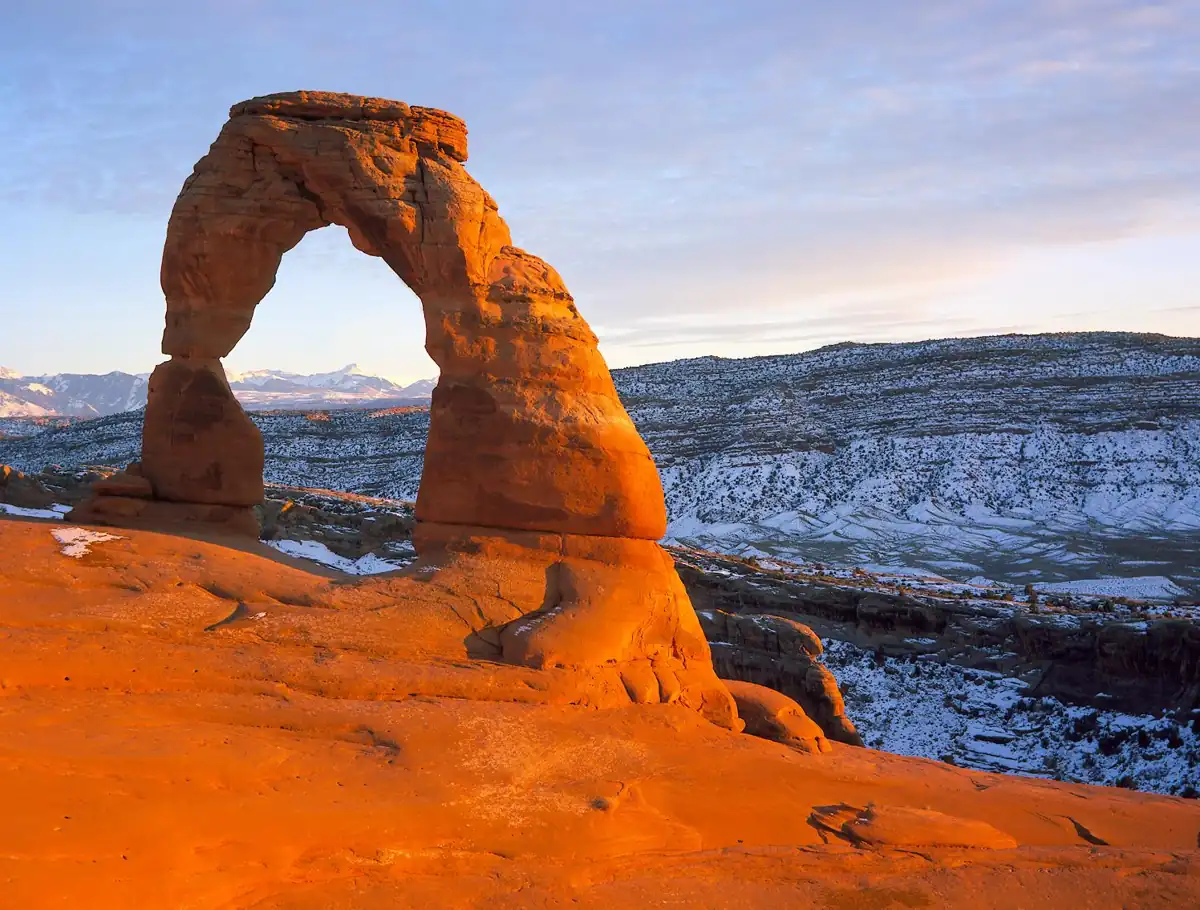
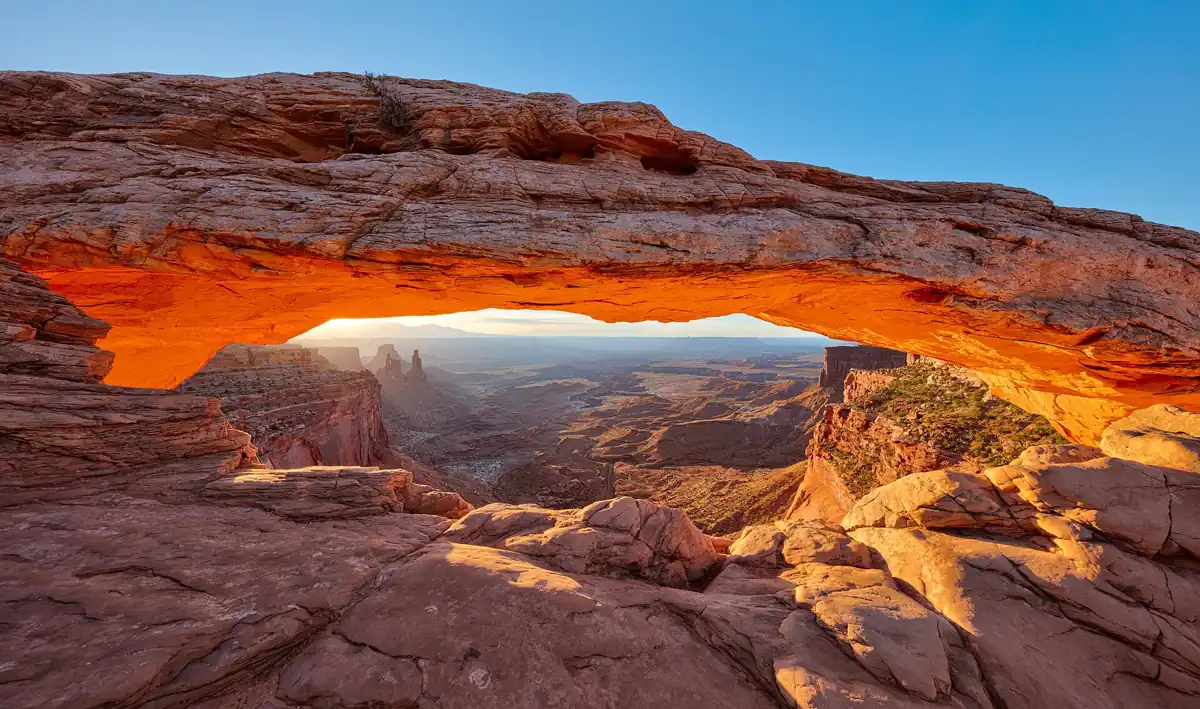
Most of all, protect the free things. Sunrise at Bryce, the walk below the rim, Capitol Reef in the quiet morning, Delicate Arch in late light and Mesa Arch at dawn do not ask for a tour ticket. Good timing is the cheapest upgrade on this whole route.
Quick Questions
What is the cheapest way to do the Mighty 5 in 7 days?
Camp most nights, cook most meals, share a standard rental car and use the annual pass. For two people, plan roughly $1,140 to $2,080 before flights.
What do most hotel based trips cost for two?
A careful hotel trip often lands around $1,940 to $3,340 for two before flights. Nicer rooms and more restaurant meals can push the same route toward $3,100 to $5,450.
Is the America the Beautiful pass worth it for this route?
For US residents doing all five parks, yes in simple gate maths. Paying park by park is $150, while the resident annual pass is $80 and lasts 12 months.
What cost surprises people most?
Park town lodging. Springdale and Moab are convenient because they sit where you want to wake up. That convenience is exactly what the room rate is charging for.
Are these prices guaranteed for my dates?
No. Park fees are checked against the National Park Service, but hotels, rental cars, fuel and food move by date and availability. Use the ranges to build a budget, then price your exact week before you book.
Photo Credits and Sources
Capitol Reef featured photo from Pexels photo 20499577. Zion photo from Pexels photo page 17336170. Bryce Canyon photo from Pexels photo 32450527. Delicate Arch image is public domain via Wikimedia Commons (National Park Service). Mesa Arch photo by Thomas Wolf, www.foto-tw.de, CC BY-SA 3.0 via Wikimedia Commons, resized and converted to WebP. Park fee figures were checked on the National Park Service passes and park fee pages in October 2026. Hotel, rental, fuel and food figures are planning ranges for the sample route, not live booking quotes.