Utah Road Trip Packing List for Desert Parks
Packing for the Mighty 5 is a puzzle with two traps. The first is temperature. On the same afternoon, Bryce Canyon can be cold enough for a winter jacket while Moab, a few hours away, is hot enough for shorts. Bryce sits between 8,000 and 9,000 feet. Zion and the Moab parks sit thousands of feet lower, and the desert sun at that height is strong even when the air feels pleasant.
The second trap is water. Most of these trails have no water, no shade, or neither, and the nearest proper shop can be an hour behind you.
This Utah national parks packing list is built for the classic road trip, the 7 day Mighty 5 route or any slower version of it, in a normal car, sleeping in hotels or campgrounds along the way. It skips the specialist gear and focuses on the things that actually decide whether a desert day is fun or miserable.
The Utah National Parks Packing List, Core Items
Everything else on this Utah national parks packing list hangs off that core. If those twelve things are in the car, the trip already works. The sections below tune the list for each park and season.
Clothing, Pack for Two Seasons on the Same Day
The layer system solves the elevation puzzle. Start the day in a short sleeve top, a warm mid layer and the shell in your pack. At Bryce in the morning you may wear all three. By lunch in Zion you are down to the top alone. By sunset at a Canyonlands rim, the mid layer is back on. One set of layers handles the whole loop, so nobody needs two suitcases.
Trousers that convert to shorts, or light hiking trousers plus one pair of shorts, cover every park. For The Narrows in Zion, wear clothes that can get wet to the waist and dry fast, and keep one complete dry outfit in the car for afterwards. Cotton is the enemy here. It stays cold when wet and heavy when sweaty, so build the hiking wardrobe from quick dry fabrics and keep cotton for town dinners.
Sleepwear and town clothes can be minimal. Every base town on the route has laundry options, and nobody in Springdale or Moab is dressing up. One casual evening outfit, worn on rotation, is enough for ten days of dinners.
Sun, Heat and Altitude, the Small Kit That Matters
Most bad days on this route are not caused by fitness. They are caused by sun and water maths gone wrong. Pack these with the same seriousness as your shoes.
- Water capacity you trust. Two litres per person is the floor for a morning hike, three for anything longer or hotter. As a working rule for exposed hikes near Moab in summer, plan around a litre per hour.
- Salt as well as water. Electrolyte packets, salted nuts or pretzels. Drinking lots of plain water with no salt on a long hot hike causes its own problems.
- Sun cover for the back of the neck and ears. These burn first on rim trails where the light bounces off pale rock.
- A small personal kit. Blister plasters, any daily medication in hand luggage, pain relief, and something for stomach upsets. Town pharmacies exist, but not at trailheads.
- Patience with altitude. Bryce and the Island in the Sky mesa are high. Keep the first afternoon gentle, drink water through the day, and treat a headache as a signal to rest, not to push on.
Hiking Gear, and What to Rent Instead of Buying
A 20 litre daypack per person, broken in shoes, walking poles if your knees dislike descents, and a dry bag or heavy zip bag for your phone and car keys cover almost every trail in the five parks. Trekking poles earn their space on the switchbacks at Bryce and on the climb to Delicate Arch, and they fold away in the car the rest of the time.
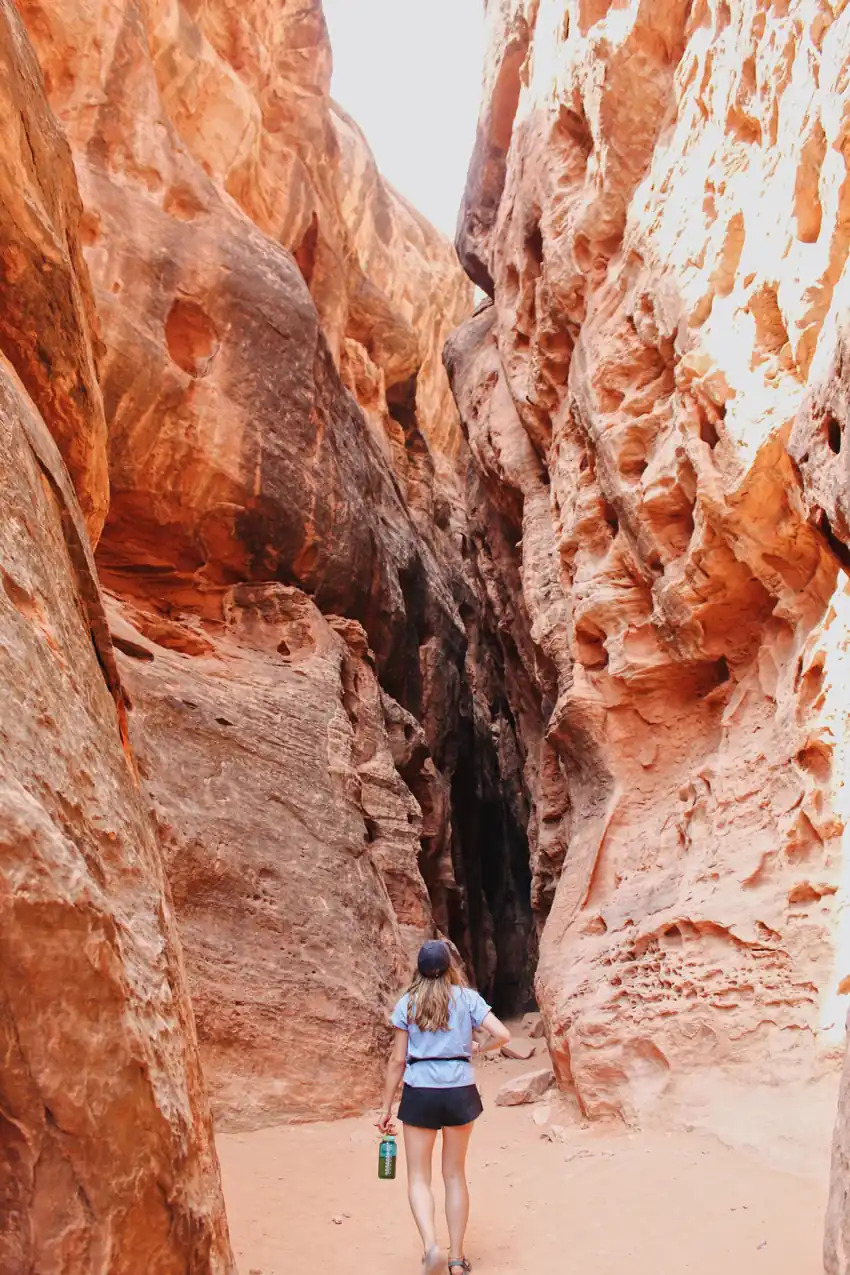
The one specialist day is The Narrows in Zion, where you walk in the river itself. Do not buy river gear for a single day. Outfitters in Springdale rent the full kit, meaning canyoneering shoes with grip, neoprene socks and a wooden staff, and they will tell you the current river conditions while they fit you. It is cheap, it works far better than trainers, and it goes back to the shop, not into your luggage. The same logic applies to microspikes in winter. If Bryce is icy, rent or buy a simple pair in town rather than packing expedition gear.
The Car Kit, Because the Drives Are Part of the Trip
On this route the car is your base camp, and some stretches, like the road from Capitol Reef to Moab, run a long way between services. No Utah national parks packing list is complete without the car kit. A small car kit removes most road trip stress.
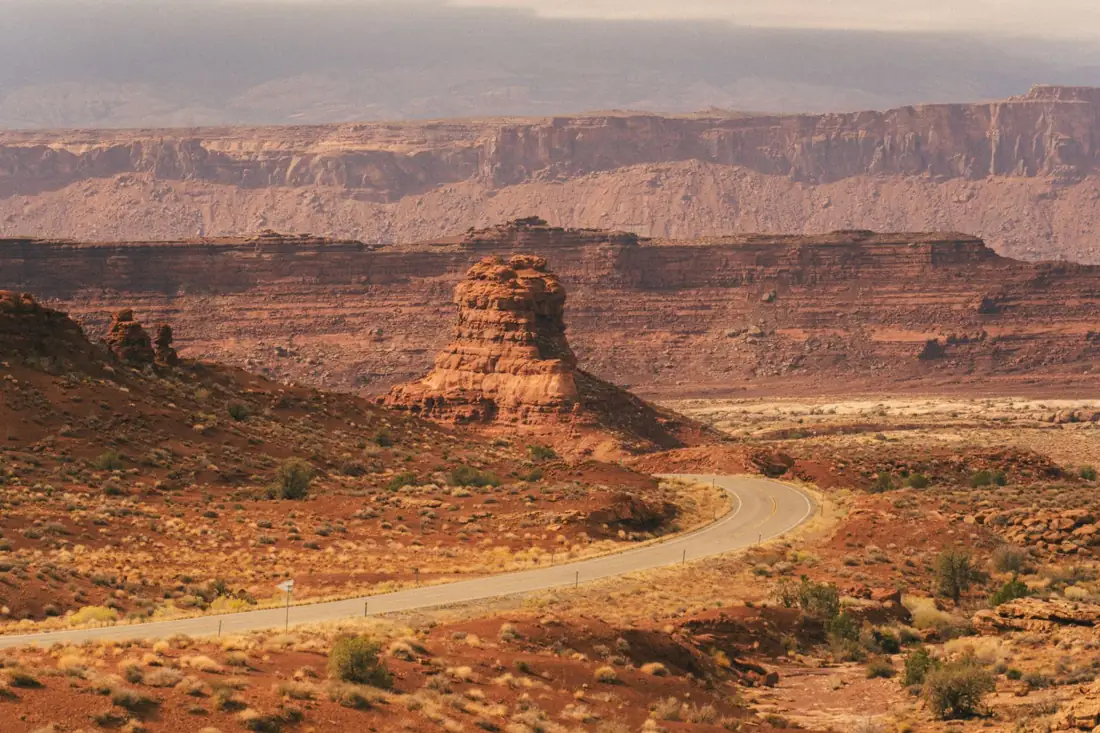
Campers should add their own sleeping system to this list, and the Fruita Campground in Capitol Reef and the sites near Moab fill early in season, so book those nights as soon as dates are fixed.
Season Add Ons
The month by month picture, with real temperature patterns for each park, is in our guide to the best time to visit Utah national parks. Match this list to your month and the packing takes ten minutes.
Documents, Passes and Bookings to Keep Handy
Keep the America the Beautiful pass and photo ID with the driver, since the pass is checked at gates. Screenshot anything that lives behind a login, including lodging confirmations and the Angels Landing permit if you have one, because the screenshot works without signal. Save the official park pages for each park on your phone for alerts, and tell your card provider roughly where you are going if rural fuel pumps are likely to trigger a fraud check. None of this is glamorous, and all of it saves an hour somewhere on the road. The pass maths for all five parks is in our Utah Mighty 5 trip cost guide.
What to Leave at Home
- Drones. They are prohibited in all United States national parks. Leave it behind, not in the boot.
- A second big suitcase. Laundries in Springdale and Moab make a small bag work for the whole loop.
- Fancy evening clothes. Trail towns dress for dinner in the same clothes they hiked in, cleaned up slightly.
- Heavy camera tripods for casual photos. Phones handle most of this trip. Photographers will ignore this point, correctly, for sunrise at Mesa Arch.
- New gear of any kind. New shoes, new pack, new anything. Test it at home first.
Quick Questions People Ask
How many litres of water should I actually carry?
Two litres per person for a short morning hike, three for a long one, and more near Moab in summer. The car gallon is a backup, not a substitute, because it does not help you halfway up a trail.
Do I need proper hiking boots?
Sturdy trail shoes that you have already walked in are fine for nearly every trail in this guide. Save heavy boots for winter ice or if your ankles ask for them.
Can I buy what I forget on the route?
Basics, yes, in Springdale and Moab. Specialist items get harder between those towns, so check the core list before you leave Las Vegas or Salt Lake City.
What changes if I am camping?
Add the sleep system and a warmer night layer, and book Fruita and Moab area sites early. The day list above stays exactly the same.
Photo Credits and Sources
Photos in this guide come from licensed sources listed in the media library, with credit where the source asks for it. Park rules, permit details and trail conditions change, so confirm the details on the official park pages before you travel.